Too often, conversations about conversion start in the wrong place.
We were recently asked to provide examples of how our UI design work at Shrimpton Agency had increased AOV and ROI. On the surface, it sounds reasonable. But it’s also a loaded question that assumes UI designers and developers are responsible for fixing deeper brand problems through interface tweaks, CRO experiments, and ever-changing website features. That framing is flawed.
When brands struggle to convert, the reflex is just tactics: redesign the site, add upsell apps, try new layouts, inject urgency, cross-sell harder. These tactics are often deployed to compensate for something more fundamental — a lack of brand clarity, desirability, or conviction. UI and development teams are then expected to “solve” perceived conversion issues inside the narrow context of a website experience, while the real issue lives downstream, at the brand level.
Conversion does not start with the interface. It starts with desire.
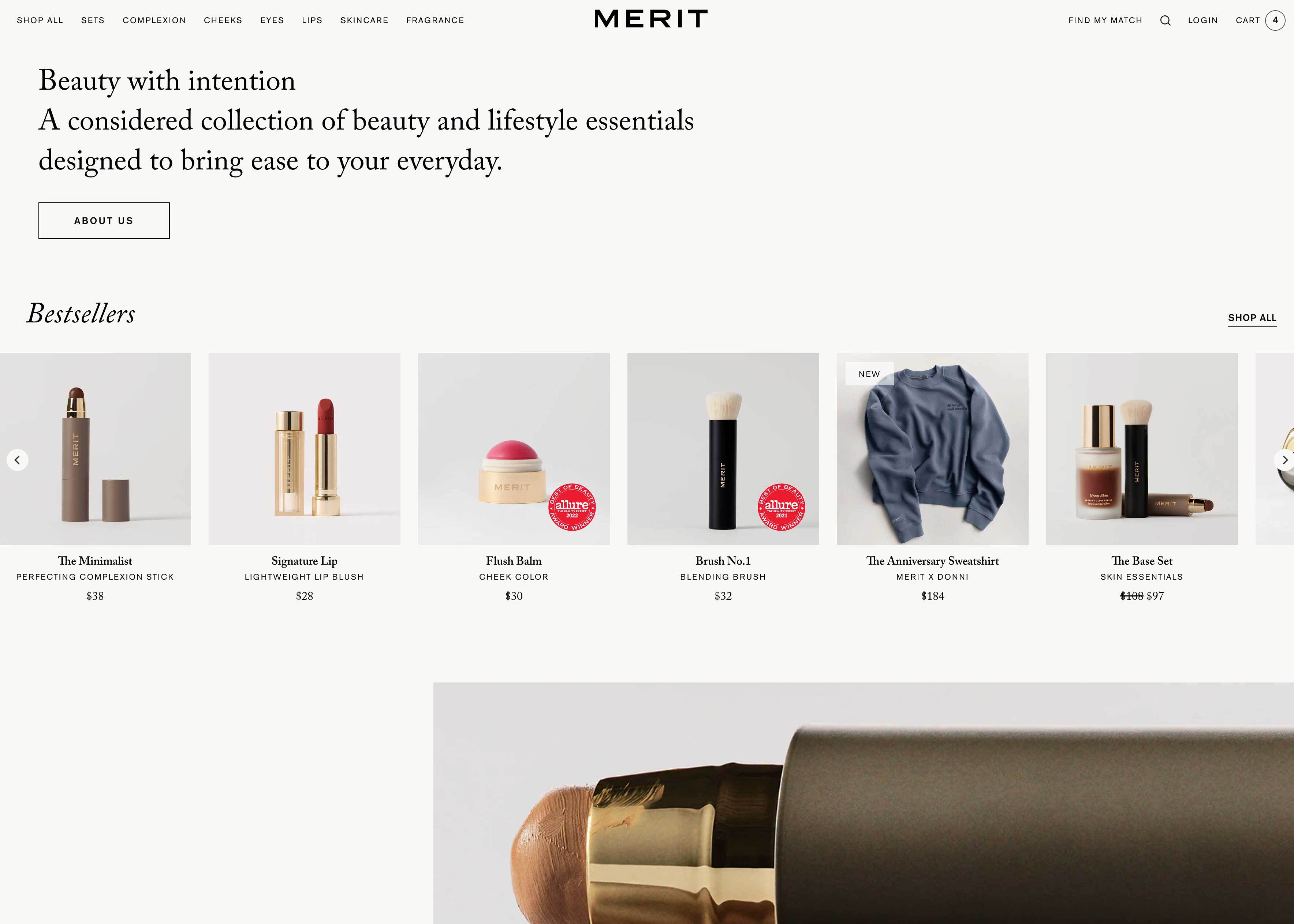
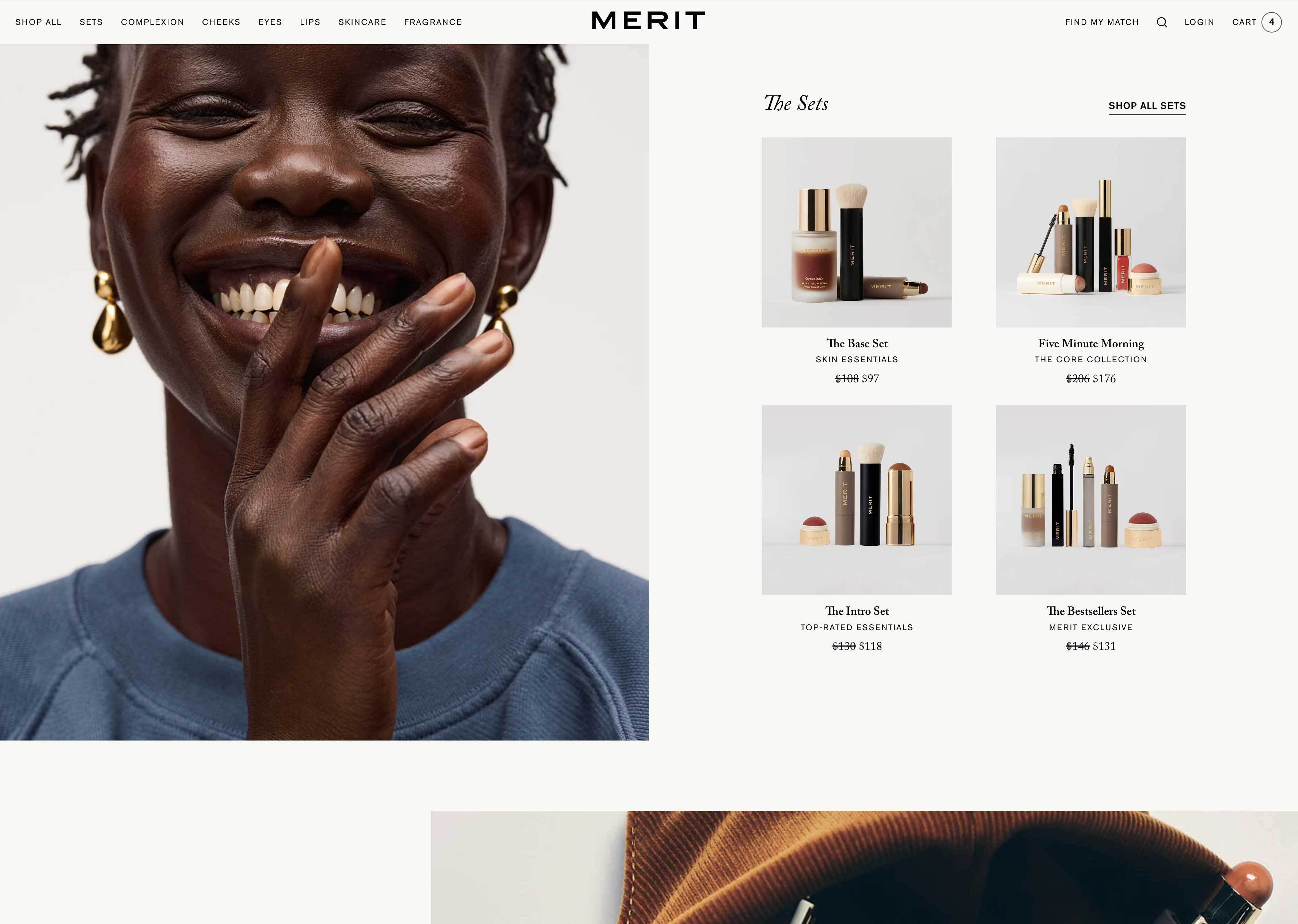
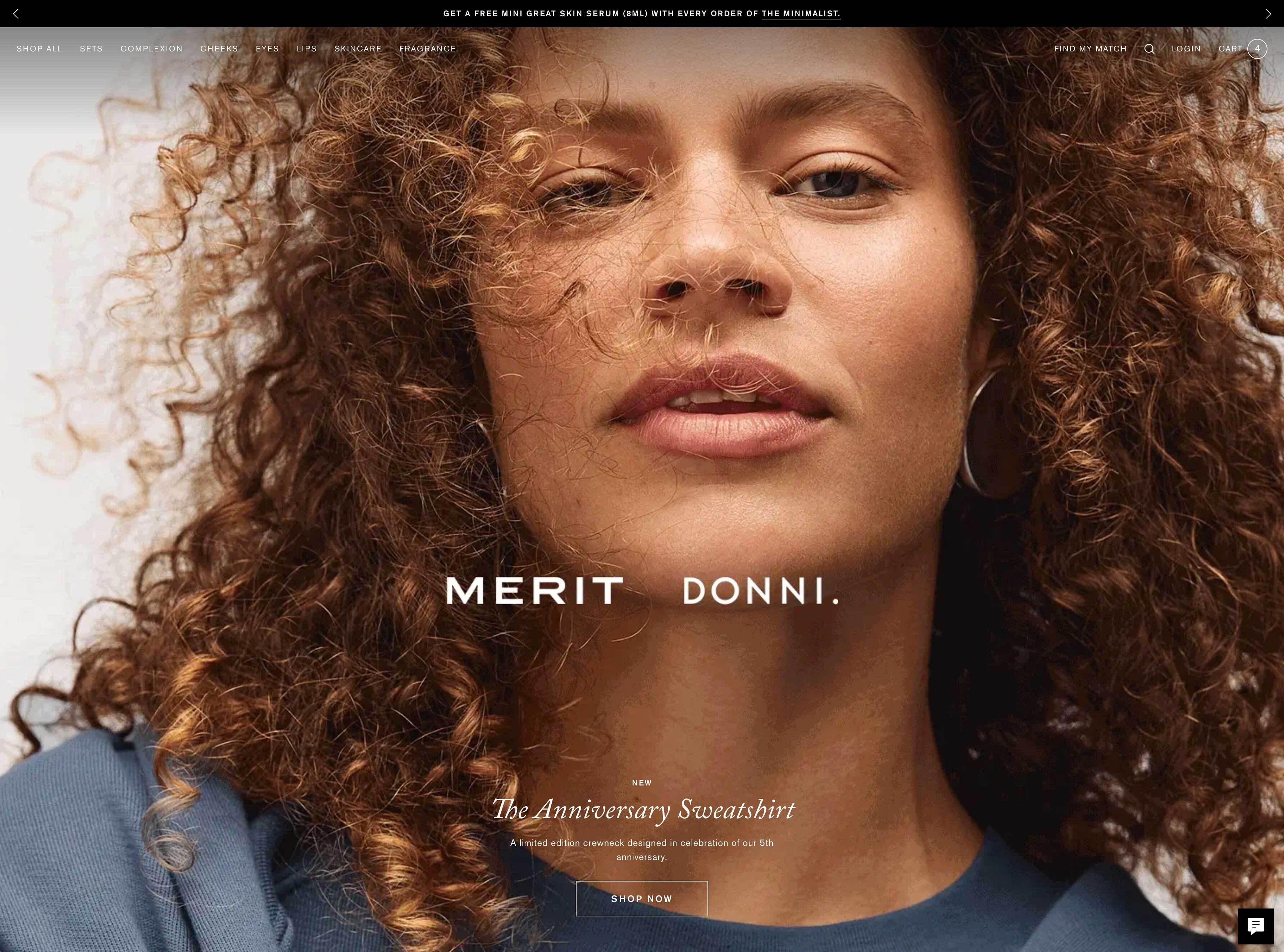
A brand people genuinely want doesn’t need to shout, interrupt, or manipulate. It doesn’t rely on bolted-on upsells to raise AOV. The website simply becomes the cleanest possible expression of a brand that already feels inevitable. When brand, aesthetic, and point of view are aligned, conversion follows naturally — not because the UI is doing tricks, but because the customer has already decided they want in.